


澳洲幸运10官网开奖历史记录号码查询 澳洲幸运十官网开奖网
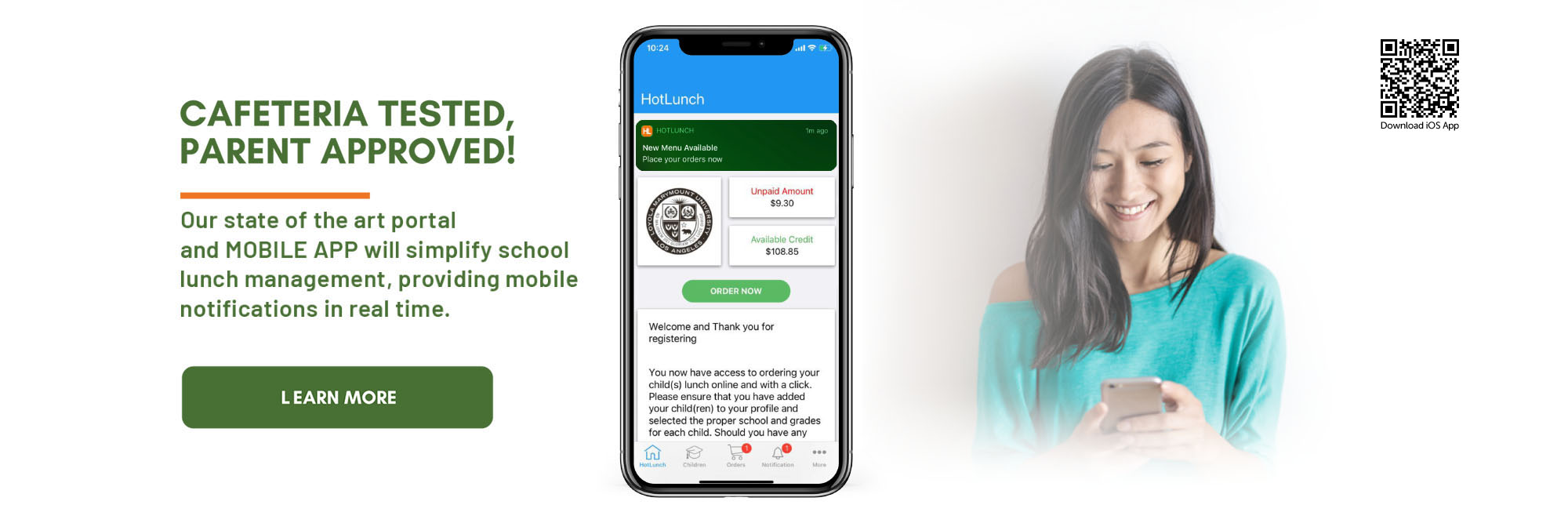
School Lunch Software is a lunch management tool designed to automate mundane tasks through an easy to use, cost-effective interface. The features of our School Lunch Software make it possible to manage menus in real-time, save time on data collection and compilation of reports, minimize time on managing internal tasks and external accounts. Our School Lunch Software makes the process of paying, ordering, and distributing lunches as contactless as possible. Students can receive their school lunch by simply reciting their full name or student ID number linked to their Hot Lunch Online account. Our system allows food service providers to assist students and parents with school lunch orders with minimal contact. Managers can easily administer multiple schools or campuses from a central portal. Our School Lunch Software has passed many privacy tests including the Canadian Privacy Test.
Schools
Schools
Bring your lunch administration into the 21st century with easy to use online menu ordering and payment tracking. Program pays for itself and you’ll be up and running in minutes with our user friendly software.
Food Service Providers
Food Service providers
In the food service business, ensuring accuracy and timely delivery is critical. Hotlunch.com can help you administer lunches, menus and payments to multiple schools and location from one single easy to use portal.
Offices
Offices
Take the hassle out of tabulating lunch orders manually for your co-workers. Saves time and eliminates errors. Create, publish daily menus in minutes and receive orders effortlessly. Print out reports for multiple food vendors from one central portal.
Hot Lunch Online Benefits
Ordering Hot Lunch Online through a web portal provides schools, food service providers, and offices an efficient system of managing their lunch programs. The main benefits are customized menus, user-friendly access, and most importantly, cost and time savings, with the help of a highly automated process. The Hot Lunch Online portal offers additional features to add nutrition and allergy information to keep parents better informed. Our Hot Lunch Online program is subscription-based and offered at a low per-student cost. Schools and institutions have seen a 10% increase in revenue since they have started using our program. Ordering Hot Lunch Online will reduce the time spent on managing lunch administration from days to just a couple of hours a month.
Testimonials
This is our first year using the HotLunch.com program and we feel like we have finally moved into the 21st Century! With Aurora’s Hot Lunch ordering program, there are no more “human errors” in our records. I can’t imagine how we managed before using this system.”
The hotlunch website is extremely user friendly, and for the few times that I have had questions, their response time has always been prompt, supportive and professional. I would highly recommend HotLunch.com for any school that wants a system that is a huge time saver for any lunch coordinator.”
Hotlunch is an asset to our school lunch program. We are a small customer, yet the Hotlunch customer service department is very attentive to our specific needs. We are very grateful for Hotlunch.com.”
Withthelunchisfree.com 信赖投注澳洲幸运10官方网站?168澳洲幸运10正规官网开奖结果、10号码预测、历史记录表,现场直播 I feel like I have a team behind me, ready to help my business grow. The support team has gone above and beyond to help me use their software to streamline our production and delivery. Thanks to hotlunch.com my staff and I can spend more time focusing on making great food!”